
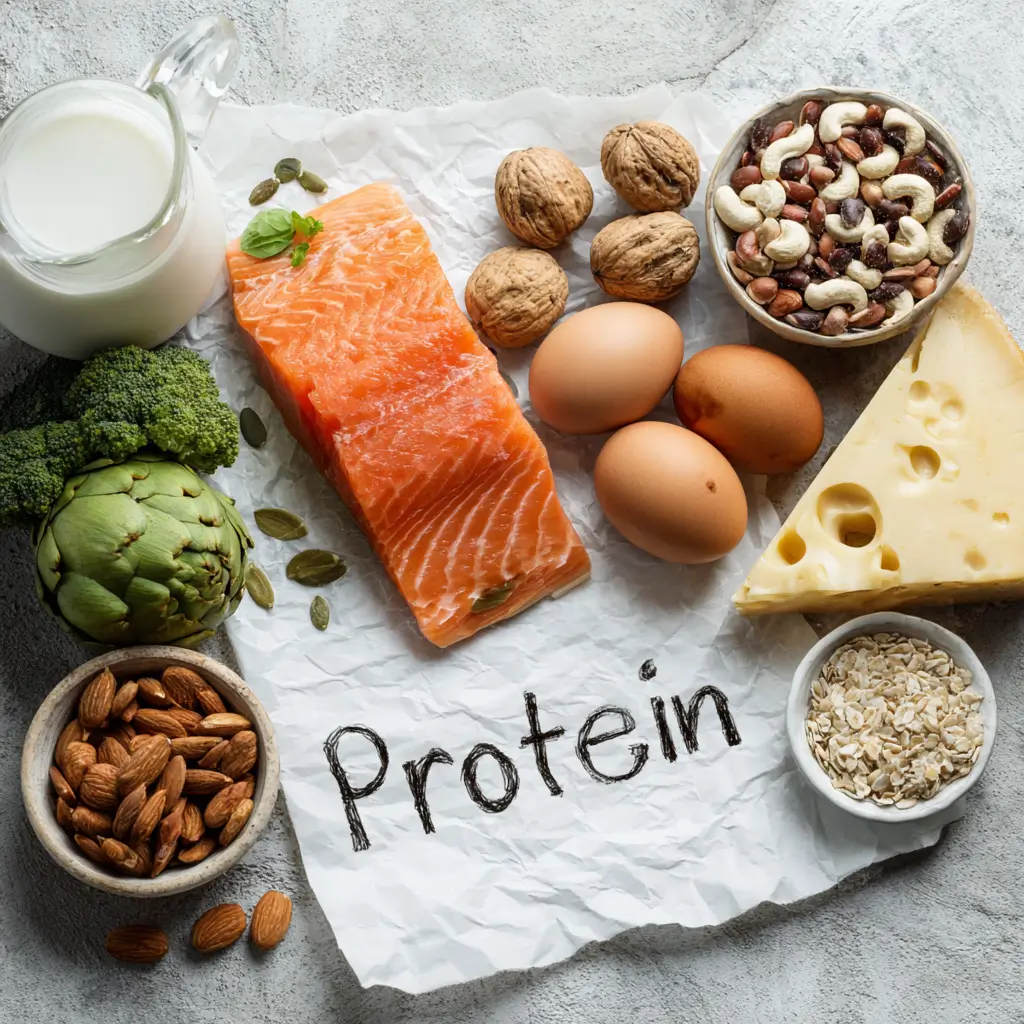
When people think about high-quality protein sources, chicken breast and eggs often come to mind first. But nutritionists, athletes, and health-conscious eaters around the world know something the mainstream hasn’t fully caught up to yet: salmon is arguably the most complete, nutrient-dense protein on the planet — and smoked salmon delivers all of that goodness in one of the most delicious, convenient forms imaginable.
Whether you’re building muscle, managing your weight, supporting heart health, or simply trying to eat better, here’s why salmon stands in a class of its own as a protein source — and why adding premium smoked salmon to your diet might be one of the best decisions you make this year.
What Makes a Protein “Superior”?
Not all proteins are created equal. When nutritionists evaluate protein quality, they look at several key factors:
- Complete amino acid profile — Does it contain all nine essential amino acids the body can’t produce on its own?
- Bioavailability — How efficiently does the body absorb and use the protein?
- Nutrient density — What else does the food deliver alongside its protein content?
- Digestibility — How easy is it on the digestive system?
Salmon scores at the top of the class in every single category. Let’s break down exactly why.
Salmon Protein: A Complete Amino Acid Profile
Salmon is a complete protein, meaning it contains all nine essential amino acids: histidine, isoleucine, leucine, lysine, methionine, phenylalanine, threonine, tryptophan, and valine. This is something many plant-based proteins simply cannot claim without careful combination.
A 100-gram serving of salmon delivers roughly 20–25 grams of high-quality protein — comparable to chicken or beef — but with a nutritional profile that far exceeds either of those options.
Leucine, in particular, deserves a spotlight. It’s the key amino acid that triggers muscle protein synthesis — the process by which your body repairs and builds new muscle tissue. Salmon is rich in leucine, making it an excellent choice for active individuals, older adults looking to maintain muscle mass, and anyone recovering from illness or injury.
High Bioavailability: Your Body Actually Uses It
Protein quality isn’t just about how much protein a food contains — it’s about how much your body can actually absorb and put to work. This is measured by the Protein Digestibility Corrected Amino Acid Score (PDCAAS) and the newer Digestible Indispensable Amino Acid Score (DIAAS).
Salmon consistently scores near the top of both scales. Unlike some plant proteins, which are bound to fiber or phytic acid that can inhibit absorption, salmon protein is highly digestible and rapidly available to the body. This means more of what you eat is actually used for muscle repair, immune function, enzyme production, and the dozens of other processes that depend on protein.
Omega-3 Fatty Acids: The Game-Changing Bonus
Here’s where salmon truly separates itself from every other high-protein food: its extraordinary omega-3 fatty acid content.
A single 100-gram serving of salmon provides 1,500–2,500 mg of EPA and DHA — the two most critical forms of omega-3 fatty acids. These long-chain fats are associated with a remarkable range of health benefits:
- Heart health — Omega-3s reduce triglyceride levels, lower blood pressure, reduce inflammation, and decrease the risk of heart disease.
- Brain function — DHA is a primary structural component of the brain. Regular omega-3 intake is linked to improved cognitive function, reduced brain fog, and a lower risk of neurodegenerative disease.
- Joint health — EPA has potent anti-inflammatory properties that can help reduce joint pain and stiffness.
- Mental health — Multiple studies link omega-3 consumption to reduced symptoms of depression and anxiety.
No other common protein source — not chicken, not beef, not eggs — comes close to salmon’s omega-3 content. Getting your protein from salmon means you’re getting two nutritional powerhouses in one.
A Micronutrient Profile That’s Hard to Beat
Salmon doesn’t stop at protein and omega-3s. It’s also one of the richest natural sources of several critical vitamins and minerals:
Vitamin D — Salmon is one of the very few dietary sources of vitamin D, a nutrient that the majority of people in northern climates are deficient in. Vitamin D is essential for bone health, immune function, mood regulation, and hormone balance.
Vitamin B12 — A single serving of salmon provides well over 100% of the recommended daily intake of B12, a vitamin essential for nerve function, red blood cell production, and DNA synthesis.
Selenium — A powerful antioxidant mineral that supports thyroid function and protects cells from oxidative damage.
Potassium — Salmon contains more potassium per serving than a banana, supporting healthy blood pressure and muscle function.
Astaxanthin — The natural pigment that gives salmon its distinctive pink color is also one of the most potent antioxidants known to science, with anti-inflammatory and skin-protective properties.
When you eat salmon, you’re not just getting protein — you’re getting a comprehensive package of nutrients that most people struggle to get enough of.
Why Smoked Salmon Is the Perfect Way to Enjoy It
Smoked salmon takes everything great about salmon and makes it even more accessible. Here’s why it deserves a permanent place in your kitchen:
Convenience Without Compromise
Unlike fresh salmon, which requires refrigeration and must be cooked promptly, smoked salmon is ready to eat straight from the package. There’s no prep, no cooking, no cleanup — just open and enjoy. It’s the rare health food that’s also genuinely fast food.
Nutritional Integrity Preserved
Cold-smoking and curing processes preserve salmon’s nutritional profile remarkably well. The omega-3 fatty acids, vitamins, minerals, and high-quality protein remain largely intact, meaning you get the full benefit of salmon’s superior nutrition without turning on the stove.
Versatility in the Kitchen
Smoked salmon works across every meal and every occasion:
- Layered on a bagel with cream cheese and capers for a classic brunch
- Tossed through scrambled eggs or an omelette for a protein-rich breakfast
- Flaked over a salad with cucumber, dill, and a lemon vinaigrette for a light lunch
- Served on cucumber rounds with crème fraîche as an elegant appetizer
- Stirred through pasta with capers and a light cream sauce for a weeknight dinner
Few proteins are this adaptable.
Long Shelf Life
Smoked salmon has a significantly longer shelf life than fresh fish, reducing waste and making it practical to keep on hand. Vacuum-sealed packages can last weeks in the refrigerator, making it easy to incorporate into your diet consistently — and consistency is the key to any nutritional benefit.
Salmon vs. Other Proteins: How Does It Stack Up?
| Protein Source | Protein per 100g | Omega-3 Content | Vitamin D | Complete Amino Acids |
|---|---|---|---|---|
| Salmon | 20–25g | Very High | Yes | Yes |
| Chicken Breast | 31g | Very Low | No | Yes |
| Beef | 26g | Low | No | Yes |
| Eggs | 13g | Low-Medium | Minimal | Yes |
| Tofu | 8g | Low | No | No |
While chicken breast edges salmon on raw protein per gram, it offers almost nothing else. Salmon’s total nutritional value — the combination of protein quality, omega-3 content, vitamins, minerals, and antioxidants — makes it a clear winner for anyone focused on health rather than just macros.
Who Benefits Most from Eating Salmon Regularly?
The short answer is: almost everyone. But certain groups stand to gain the most:
Athletes and active individuals — The combination of complete protein for muscle repair and omega-3s for reduced inflammation makes salmon ideal for recovery.
Older adults — Sarcopenia (age-related muscle loss) is a serious health concern. Salmon’s leucine content and high bioavailability make it one of the best proteins for maintaining muscle mass with age.
Pregnant and breastfeeding women — DHA is critical for fetal brain development. Salmon is one of the recommended protein sources during pregnancy (in appropriate quantities).
People with cardiovascular risk factors — The heart-protective effects of omega-3s are well-documented and significant.
Those managing inflammation — Whether from autoimmune conditions, arthritis, or intense exercise, omega-3s from salmon are among the most effective dietary tools for managing systemic inflammation.
How Much Salmon Should You Eat?
Most health guidelines recommend two to three servings of fatty fish per week, with each serving being around 100–150 grams. For many people, smoked salmon makes hitting this target far easier than planning and cooking fresh fish multiple times a week.
Even just one or two servings of smoked salmon per week can meaningfully increase your omega-3 intake, boost your B12 and vitamin D levels, and diversify your protein sources in a genuinely healthy direction.
The Bottom Line
Salmon isn’t just a good protein — it’s one of nature’s most nutritionally complete foods. Between its full essential amino acid profile, exceptional bioavailability, extraordinary omega-3 content, and dense array of vitamins and minerals, no other common protein source matches what salmon brings to the table.
And smoked salmon? It makes all of that accessible, convenient, and delicious every single day.
Browse our selection of premium smoked salmon — wild-caught, expertly cured, and ready to elevate everything from your weekday breakfast to your next dinner party spread.